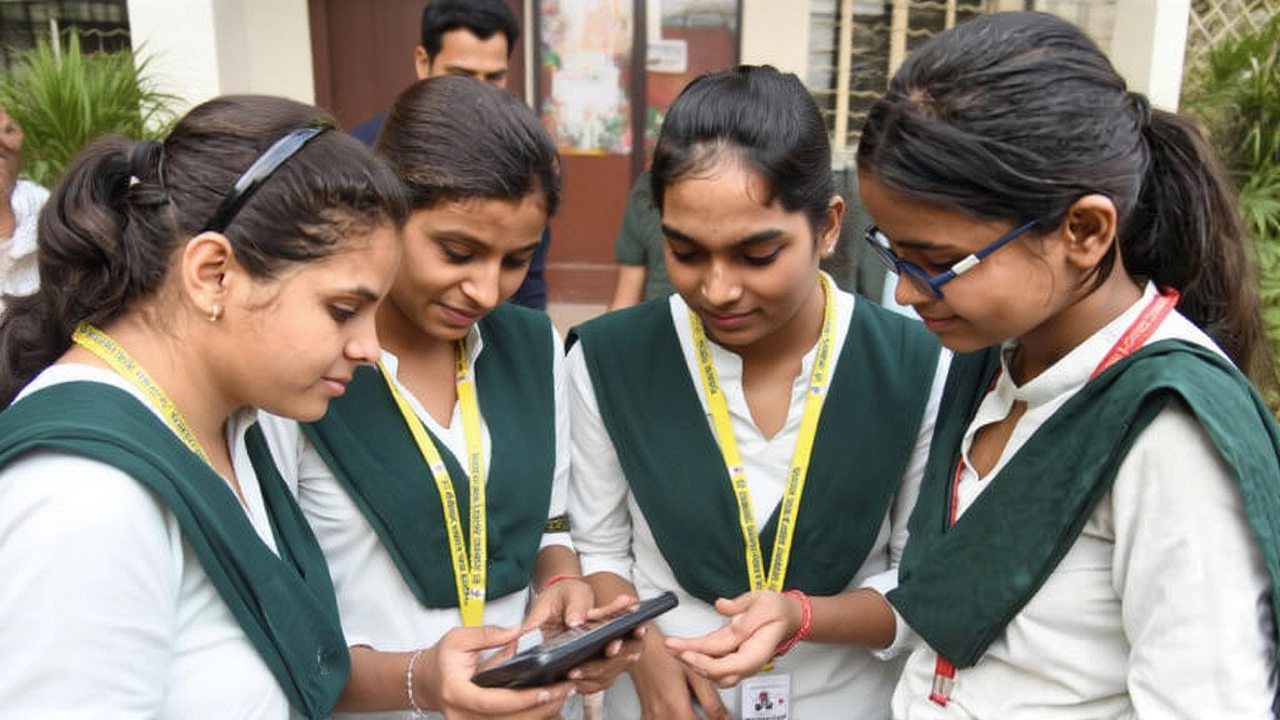
When V Sivankutty, Honourable Education Minister of Government of Kerala, confirmed the date weeks ago, students across the state held their breath. The wait is over. On May 26, 2026, at exactly 3:00 PM, the Directorate of Higher Secondary Education, Kerala (DHSE) officially released the results for the Higher Second Year March Examinations. It wasn’t just a number on a screen; it was the culmination of months of anxiety, late-night study sessions, and parental prayers. With an overall pass percentage of 77.97%, the outcome offers a mixed bag of relief and disappointment for thousands of aspirants.
The announcement came via a press conference before the digital floodgates opened. Within minutes, servers likely groaned under the weight of tens of thousands of simultaneous requests. This isn't just another administrative update; it’s a pivotal moment for every student who sat for the Class 12 exams in Kerala. Whether you’re aiming for medical seats, engineering colleges, or university admissions, this result is your ticket forward.
How to Access Your Result: Online and Offline Methods
Here’s the thing: panic doesn’t help when the website crashes. If the primary portals are sluggish, you have options. The DHSE has ensured multiple channels for result dissemination, recognizing that internet connectivity can be spotty during peak hours.
Official Web Portals:
The most direct route is through the government-approved websites. You’ll need your registration number (or roll number) and your date of birth. The key portals include:
- keralaresults.nic.in: The central hub for all board results in the state.
- results.kite.kerala.gov.in: Specifically tailored for KITE and HSE examinations.
- dhsekerala.gov.in: The main directory site for the education department.
- results.hse.kerala.gov.in/results/: A dedicated sub-domain for higher secondary outcomes.
SMS Service:
No smartphone? No problem. Students can send an SMS with the format "KERALA12[REGISTRATION NUMBER]" to the short code 56263. For instance, if your reg number is 123456, you type "KERALA12123456" and hit send. It’s old-school, but it works when data networks are congested.
Mobile Applications:
The Public Relations Department of Kerala has stepped up with the PRD LIVE app. It’s designed specifically to handle traffic spikes better than web browsers. Other reliable apps include SAPHALAM and iExaMS - Kerala. These apps allow you to view and download your marksheet directly, saving you from screenshotting blurry screens.
DigiLocker Integration and School-Wise Results
Turns out, the government is pushing hard for digital documentation. Your Kerala Plus Two Result 2026 is now available on DigiLocker at results.digilocker.gov.in. This is crucial because many universities and employers now accept DigiLocker-verified documents as original proof. Logging in here links your result to your Aadhaar-based identity, making it tamper-proof.
For those who prefer checking results alongside classmates, the school-wise option is live. Visit result.kite.kerala.gov.in or dhsekerala.gov.in, select the "School-Wise" tab, and enter your specific school code. This method requires your registration number and date of birth as well. It’s particularly useful for teachers and administrators verifying bulk results.
What Happens Next: Supplementary Exams and Revaluation
If the numbers didn’t go your way, don’t lose hope yet. The system has built-in safeguards. The Kerala Plus Two Supplementary result 2026 is scheduled for release in July 2026. Students who failed one or two subjects can apply for these supplementary exams (often called SAY or Save-A-Year exams). The application process involves paying a fee, which varies by subject count, so keep an eye on the official notice board for exact amounts.
Regarding revaluation, while specific dates for the 2026 cycle weren’t detailed in the initial press briefing, historical patterns suggest applications open within 10-15 days of result publication. If you believe there’s a clerical error in your total, this is your window. However, experts advise using this only if you’re borderline—revaluation rarely adds significant marks unless there’s a clear addition error.

Context: The Road to May 26
To understand the significance of this result, look back at the timeline. Evaluation for the Higher Secondary Class 11 & 12 exams began on April 6, 2026. That’s nearly six weeks of intense scrutiny by examiners across the state. Compare this to the SSLC (Class 10) results, which were announced earlier on May 15, 2026, following an evaluation period from April 7 to April 25. The staggered schedule allows the DHSE to manage resources efficiently, ensuring each board gets adequate attention.
The 77.97% pass rate is a solid figure, reflecting consistent performance trends in Kerala’s rigorous education system. It places the state among the top performers nationally, though competition for top-tier seats remains fierce. As students celebrate or console themselves, the real work begins: counseling, form filling, and planning for the next academic chapter.
Frequently Asked Questions
What is the overall pass percentage for Kerala Plus Two 2026?
The Directorate of Higher Secondary Education reported an overall pass percentage of 77.97% for the Kerala Plus Two Result 2026. This figure includes both regular and private candidates who appeared for the March 2026 examinations.
Can I check my result via SMS if the website is down?
Yes. You can send an SMS in the format "KERALA12[Your Registration Number]" to the shortcode 56263. For example, if your reg number is 123456, send "KERALA12123456". This service is free but may incur standard carrier charges depending on your plan.
When will the supplementary results be declared?
The Kerala Plus Two Supplementary result 2026 is expected to be released in July 2026. Students appearing for the Save-A-Year (SAY) exams should monitor the official DHSE portal for the exact date, as it typically follows the completion of supplementary exam evaluations.
Is the DigiLocker marksheet valid for college admissions?
Yes, the marksheet available on DigiLocker (results.digilocker.gov.in) is legally valid and accepted by most universities and educational institutions in India for admission purposes. It serves as a certified digital copy of your original document.
Which mobile apps are recommended for checking results?
The PRD LIVE app (by the Public Relations Department), SAPHALAM, and iExaMS - Kerala are the recommended mobile applications. PRD LIVE is particularly useful during high-traffic periods as it often loads faster than the main web portals.